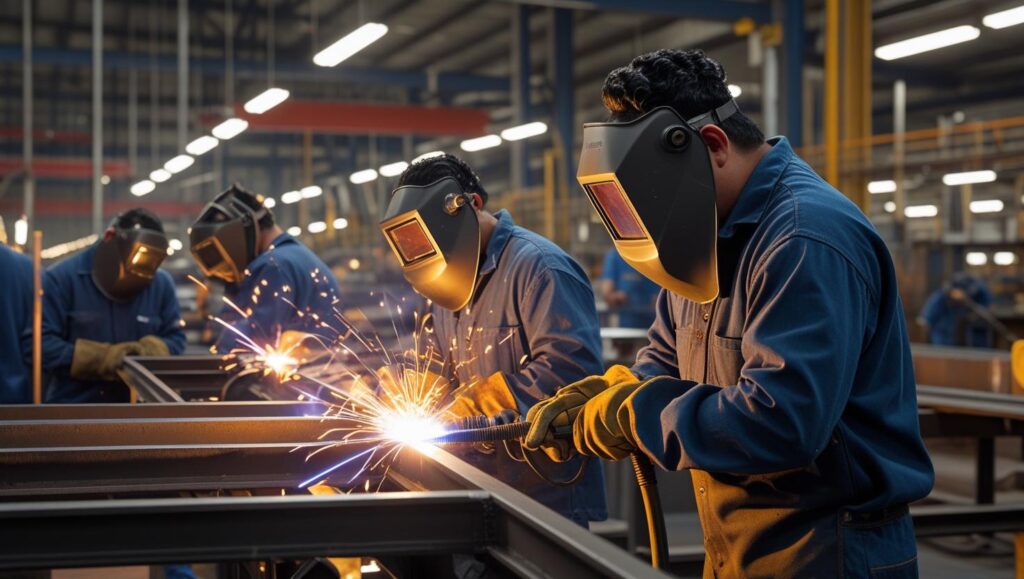
Sub Arc Welding (SAW) is revolutionizing heavy industry projects by offering a highly efficient and precise method for welding large, thick materials. This process has become essential in industries such as shipbuilding, pressure vessel manufacturing, and pipeline construction. Sub Arc Welding stands out for its ability to improve project timelines, enhance weld strength, and increase productivity in demanding applications.
The benefits of SAW extend far beyond its precision. By utilizing flux to shield the weld from contamination, it minimizes spatter, boosts penetration, and ensures clean, durable results. This makes Sub Arc Welding an invaluable asset in industries requiring high-volume, reliable welds. By reducing time and enhancing efficiency, SAW is paving the way for innovation in industrial processes.
What is Sub Arc Welding?
Sub Arc Welding, or submerged arc welding, is a specialized form of arc welding where the weld area is submerged beneath a blanket of granular flux. The flux shields the molten weld pool from atmospheric impurities, ensuring a cleaner and more durable weld. Unlike other welding techniques, SAW uses a continuous electrode wire that feeds into the weld, which melts and bonds with the base material.
A key distinction of SAW compared to other welding methods is its high degree of automation. Sub Arc Welding can be fully automated, making it ideal for high-production environments where consistency and speed are essential. Learn more from the American Welding Society.
How Does Sub Arc Welding Work?

Sub Arc Welding starts with placing a thick flux layer on the workpiece. A consumable electrode wire is fed continuously, creating an electric arc between the wire and base material. This melts both, forming a molten metal pool. The flux protects the weld during cooling, preventing oxidation from occurring.
This method is known as “submerged arc welding” because the flux completely shields the arc during the welding process, resulting in a cleaner, more controlled weld with minimal spatter. High currents and a stable arc make SAW ideal for welding thicker metal sections, like in structural applications. Lincoln Electric explains arc welding principles.
Key Benefits of Sub Arc Welding

Sub Arc Welding (SAW) offers key advantages, including faster welding speeds, less spatter, and stronger welds, resulting in cleaner environments and more durable products.
1. High Welding Speed
(SAW) is one of the fastest welding methods, thanks to its sub arc welding automated process. This reduces manual labor and accelerates production, making it ideal for industries like shipbuilding, where large-scale welding is required in a short time.
2. Reduced Spatter and Cleaner Work Environment
SAW minimizes spatter due to the submerged arc, creating cleaner welds. The process also contributes to a healthier work environment by reducing exposure to harmful fumes and particles, making it safer for workers compared to other welding techniques. Read OSHA’s safety guidelines for welding.
3. Improved Quality and Strength
The continuous electrode feed and protective flux result in stronger, more consistent welds. With deeper penetration, SAW creates durable bonds, crucial for industries where weld integrity is critical for the safety and performance of the final product.
Applications of Sub Arc Welding
Sub Arc Welding is used across a variety of heavy industries that require strong, high-quality welds. Here are some of the most common sectors that rely on SAW:
Shipbuilding
SAW is essential in shipbuilding for welding thick metal plates, providing strong, durable ships. Its speed and precision enable efficient welding of large sections, reducing labor costs and ensuring high-quality welds.
Pressure Vessel Manufacturing
In pressure vessel manufacturing, SAW provides deep penetration and clean welds, ensuring durability to withstand high pressure. It’s crucial for creating vessels that safely contain pressurized substances in industries like oil refineries and power plants. See ASME’s code for pressure vessels.
Pipeline Construction
SAW is ideal for pipeline construction, particularly in the oil and gas industry, where thick steel pipes require durable and reliable welds. It ensures high-quality, reliable welds for durable pipelines that withstand harsh conditions.
Types of Sub Arc Welding
(SAW) can be adapted in several ways depending on the requirements of the project. Below are the different variations of SAW:
Automatic Sub Arc Welding
Automatic SAW automates both the electrode wire feed and torch movement, ensuring high production rates and consistency. It is perfect for large-scale production, where consistency and efficiency are essential.
Semi-Automatic Sub Arc Welding
Semi-automatic SAW allows the welder to adjust the machine’s speed and movement, providing customization for specific tasks while preserving the efficiency and accuracy of automatic SAW.
Multi-Wire Sub Arc Welding
Multi-wire SAW uses multiple electrode wires, boosting welding efficiency and reducing time. It is widely employed in extensive projects such as shipbuilding and pipeline development.
Equipment Used in Sub Arc Welding

The Sub Arc Welding equipment required includes:
- Welding Machine: The core of the SAW process, providing the electrical current that generates the arc.
- Flux Feeder: The machine that continually feeds flux over the weld area.
- Electrode Wire: A wire that is consumed during the welding process, continuously fed into the joint to help form the weld.
- Control Systems: Automated mechanisms that manage the feed rate of the electrode wire and the movement of the welding machinery.
The selection of equipment is based on the project’s size and whether the welding process will be fully automated or semi-automatic.
Safety Considerations in Sub Arc Welding
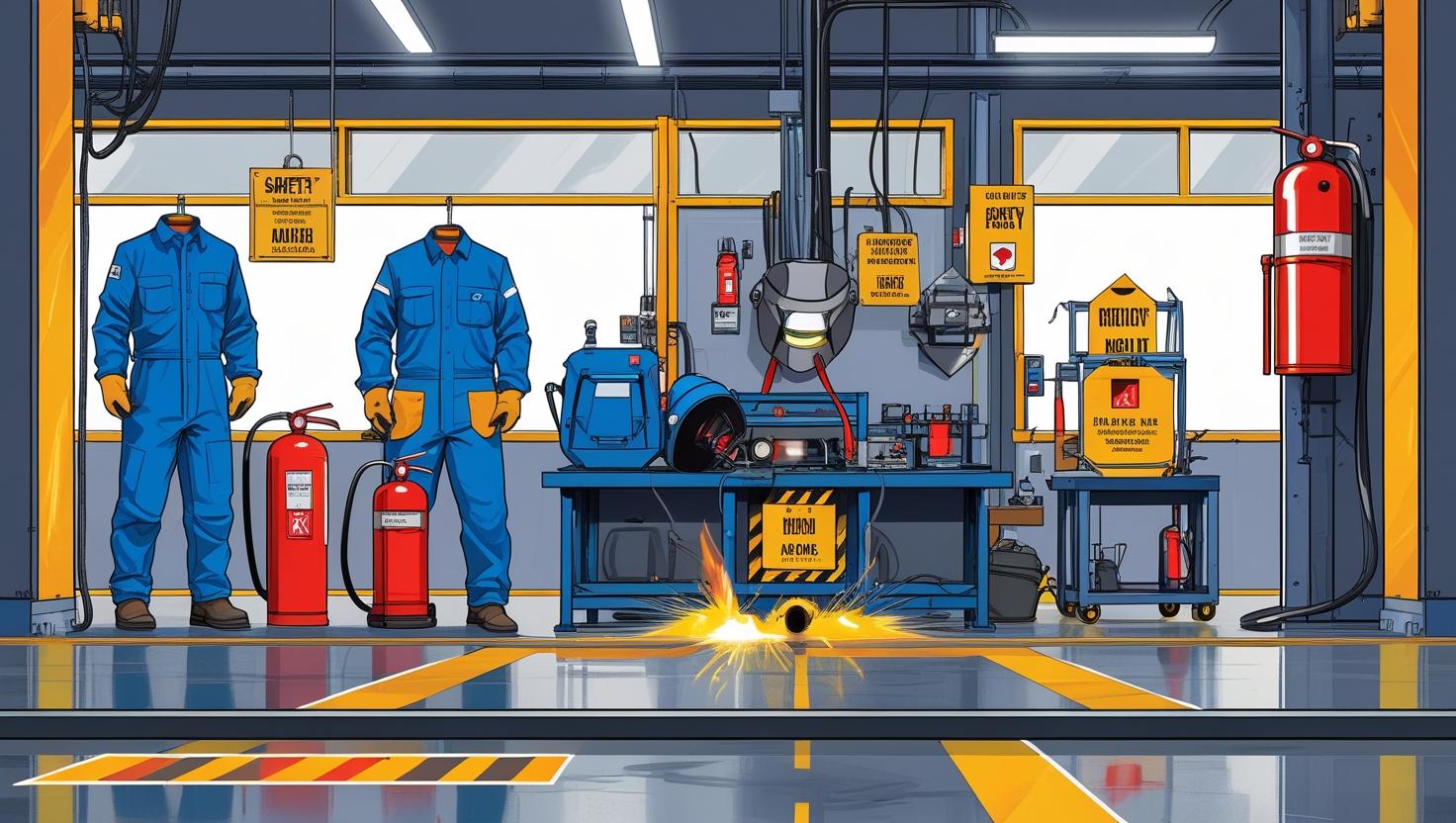
Although Sub Arc Welding is safer due to flux protection, safety measures must still be followed. Key safety considerations include:
- Ventilation: Ensuring that the workspace is properly ventilated to remove fumes generated during the welding process.
- Protective Gear: Wearing the appropriate Personal Protective Equipment (PPE), such as gloves, helmets, and face shields, to protect from sparks, UV radiation, and heat.
- Regular Equipment Maintenance: Keeping the welding equipment in good working condition to prevent malfunctions that could pose safety risks.
Common Challenges in Sub Arc Welding and How to Overcome Them
Though (SAW) is an effective process, it can come with certain challenges, such as:
- Distortion of the Material: The heat generated by the welding process can cause distortion. Preheating and post-weld heat treatment can help reduce this effect.
- Undercutting: This happens when the weld is not deep enough, resulting in weak bonding. Maintaining the correct voltage and speed settings helps avoid undercutting.
- Inconsistent Flux Coverage: An Imbalanced flux distribution may cause contamination in the weld. Consistent flux feeding is essential for maintaining weld quality.
The Future of Sub Arc Welding: Advancements and Trends
(SAW) future looks promising with the rise of automation and robotics. These advancements will boost welding speed, precision, and consistency, making it more efficient for industries like shipbuilding, pipeline construction, and manufacturing. Automation helps streamline the entire process. See how automation is transforming welding on IndustryWeek.
Innovations in flux materials and electrode wires are also enhancing (SAW). Innovative materials provide enhanced performance, resulting in stronger and more long-lasting welds. These improvements contribute to higher-quality results and greater productivity, positioning SAW as a top choice for large-scale industrial applications and heavy-duty welding projects.
Conclusion
(SAW) is essential for industries requiring strong, durable, high-quality welds. Its ability to efficiently weld thick materials, minimize spatter, and provide deep penetration makes it ideal for large projects like shipbuilding, pressure vessels, and pipelines.
Technological advancements ensure a bright future for (SAW). Improvements in flux materials, electrode wires, and automation are enhancing precision, speed, and overall performance, ensuring (SAW) remains a crucial process for large-scale industrial applications.
(SAW) will continue to be vital in industry. At Weld Commerce, we offer high-quality welding solutions and expert advice, providing businesses with the necessary tools to meet the demands of modern industrial welding technologies and improve performance.
FAQs About Sub Arc Welding
Here are some helpful insights into (SAW):
What is Sub Arc Welding used for?
(SAW) is used in industries like shipbuilding, pipeline construction, and pressure vessel manufacturing. It’s great for welding thick materials, creating strong, durable, and high-quality welds in large projects.
Can SAW be arc-welded?
Yes, (SAW) is a type of arc welding. It uses an electric arc between the electrode and workpiece, with flux protecting the weld area and helping create strong and clean welds.
What is Sub Arc Welder job description?
A Sub Arc Welder works with (SAW) machines to join heavy materials. They set up machines, adjust settings, ensure safety, and check the welds for strength and quality in different industries.
Is Submerged Arc Welding DC or AC?
Submerged Arc Welding or (SAW) can use either DC (direct current) or AC (alternating current). DC is usually preferred for its stable arc and deeper weld penetration, but AC is used for certain welding tasks.
What materials are used in Sub Arc Welding?
(SAW) is used to weld materials like carbon steel, stainless steel, and alloy steel. It works best for thick materials, such as pipes, pressure vessels, and large metal structures.