
Arc welding is an important skill for metalworking, whether for DIY projects or industrial work. If you’re wondering how to arc weld, this beginner’s guide will help you get started. Learning this technique can lead to many opportunities, from making custom designs to fixing heavy machinery.
This guide offers a clear on how to arc weld, step-by-step approach, ensuring you can easily understand the arc welding process and its safety protocols. You will learn everything from setting up your workspace to mastering essential techniques, giving you the confidence to complete your first successful weld.
What is Arc Welding?
Arc welding uses an electric arc to heat and join metals by melting them. The intense heat created between the electrode and workpiece forms a strong, durable bond, making it ideal for how to arc weld welding materials like steel, stainless steel, aluminum, and copper.

The advantage of arc welding is its versatility. You can weld in various positions and on different material thicknesses, which is why it’s commonly used in construction, automotive, and manufacturing industries. Whether you’re working indoors or outdoors, how to arc weld can help you complete a range of projects efficiently.
Types of Arc Welding and How to Arc Weld
There are several types of how to arc weld processes, each with its own applications and benefits. The most common types include:
1. Shielded Metal Arc Welding (SMAW)

SMAW, or stick welding, uses a flux-coated consumable electrode to form welds. It’s simple, ideal for outdoor jobs, and works well with thick materials, making it a popular choice for construction.
2. Gas Metal Arc Welding (GMAW)

GMAW, or MIG welding, uses a continuously fed wire and inert gas shield for fast, clean welds. It’s perfect for thin materials like sheet metal and is much quicker than SMAW.
3. Tungsten Inert Gas (TIG) Welding
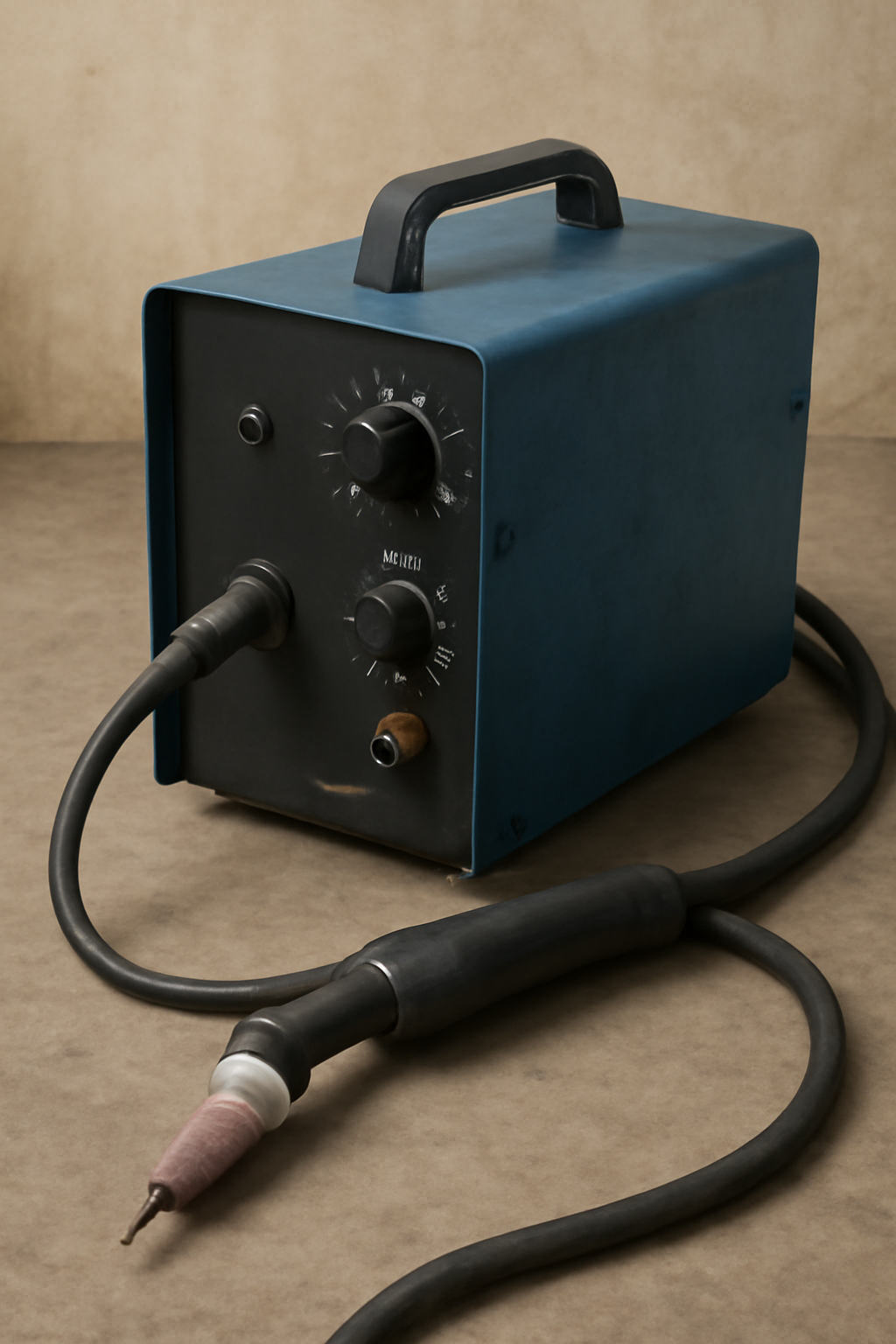
TIG welding provides precise results by using a tungsten electrode that doesn’t melt, along with an inert gas shield for protection. It’s ideal for how to arc weld delicate materials and creating smooth, high-quality welds, often used in fine fabrication.
4. Flux-Cored Arc Welding (FCAW)
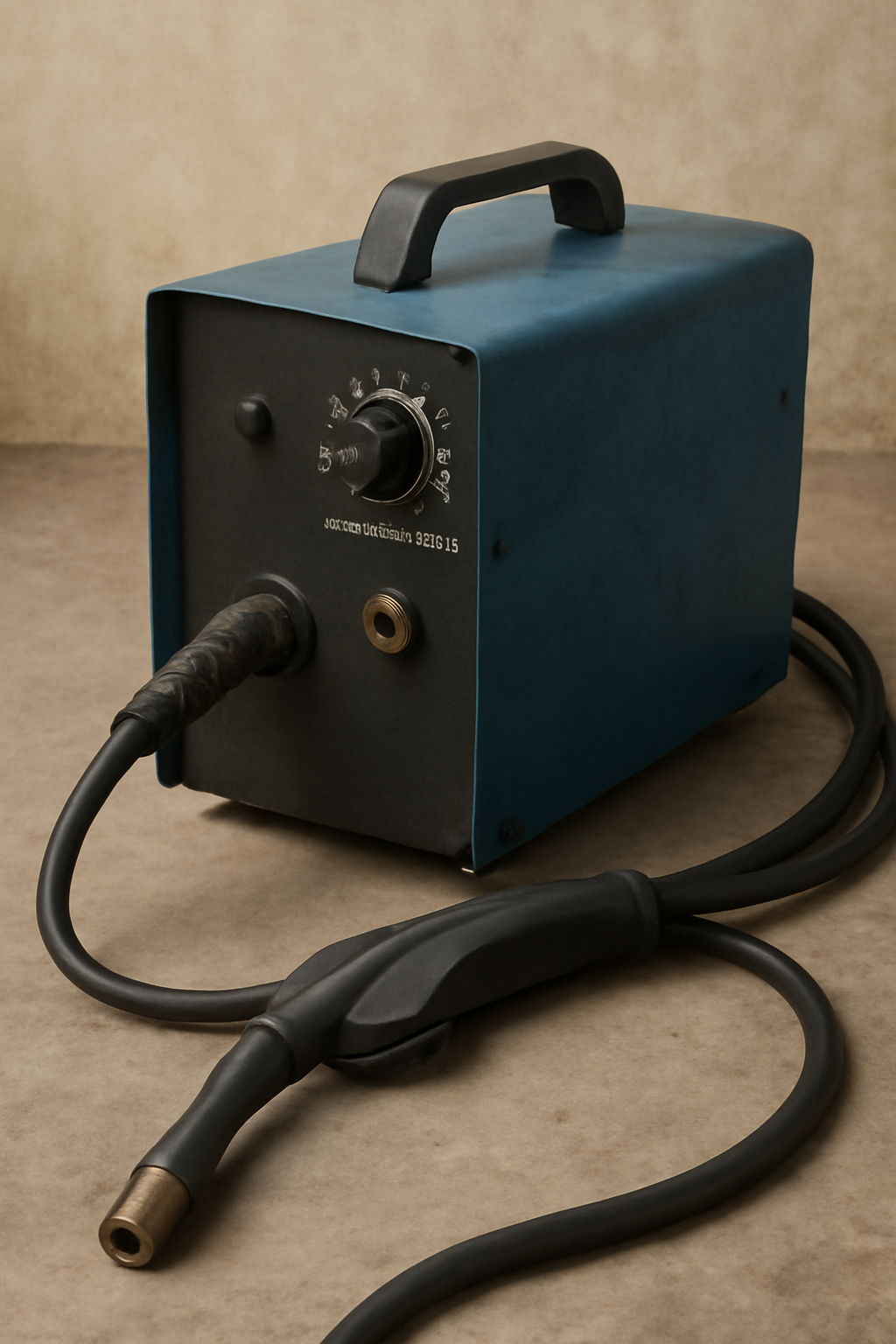
FCAW is similar to MIG but uses flux-cored wire for better protection in outdoor and thick material welding. The flux shields the weld, offering increased efficiency for heavy-duty tasks and outdoor use.
Each welding process has its strengths. As a beginner, SMAW and GMAW are easiest to learn, but choose the method that best suits your project needs.
Essential Tools for How to Arc Weld

Before you begin welding, make sure you have the right tools. Here’s a list of how to arc weld:
1. Welding Machine
A welding machine (welder) is essential for various welding tasks. Choose from SMAW welders for beginners, or MIG and TIG machines for advanced tasks with extra features for specific processes.
2. Electrodes
Electrodes establish the electrical circuit and generate the arc in the welding process. SMAW uses stick electrodes, while MIG and FCAW rely on wire electrodes. The electrode type varies depending on the welding process being used.
3. Safety Gear
Safety is crucial when welding. Always wear the following protective gear:
- Welding Helmet: A helmet with a darkened visor is essential to protect your eyes from the bright arc light.
- Gloves: Heavy-duty gloves protect your hands from heat and sparks.
- Protective Clothing: Wear flame-resistant jackets, aprons, and pants to shield your body from heat and spatter.
- Boots: Leather or steel-toed boots offer protection for your feet against falling metal.
4. Other Tools
- Wire Brush: Used to clean metal surfaces before welding to ensure a clean weld.
- Clamps: To secure metal pieces in place while you weld.
- Grinder: For smoothing out welds after the job is done.
Step-by-Step Guide on How to Arc Weld for Beginners
Welding is both an art and a science. Mastering how to arc weld takes practice, but by following these basic steps, you can get started and create strong, reliable welds with confidence.
Step 1: Setting Up Your Workspace
Ensure a well-ventilated workspace free from flammable materials. How to arc weld safely, open area is key for welding. Keep tools and safety gear accessible for efficient and smooth work.
Step 2: Preparing the Metal Surface
Use a wire brush or grinder to clean the metal, removing dirt, rust, and oils. A clean surface ensures strong welds and prevents defects like porosity, improving results.
Step 3: Adjusting the Machine Settings
Set voltage and amperage based on the material’s thickness. Thicker materials need higher amperage, while thinner materials need lower. Always consult the welder’s manual for the correct settings.
Step 4: Creating the Weld
Strike the electrode to start the arc, then guide it along the joint with a steady hand. Maintain an angle of 15-30 degrees and move steadily for even, smooth welds.
Step 5: Post-Weld Cleanup
After cooling, remove slag with a wire brush. Inspect the weld for consistency, cracks, or holes to ensure strength and smoothness, ensuring a durable and lasting result.
Safety Tips on How to Arc Weld

Welding poses risks if safety measures are not properly observed. If you’re learning how to arc weld, it’s crucial to prioritize safety at all times. Here are some key safety tips:
- Wear Protective Gear: Always wear a welding helmet, gloves, and protective clothing. Never weld without proper protection.
- Work in a Well-Ventilated Area: Fumes from welding can be toxic, so make sure you’re working in a well-ventilated space, or use a fume extractor.
- Avoid Electric Shock: Ensure that all welding equipment is grounded properly and check for any exposed wiring.
- Fire Safety: Always have a fire extinguisher within reach and refrain from welding close to flammable materials.
- Avoid Eye Damage: Never look directly at the welding arc without a helmet or welding goggles. The bright light can lead to lasting damage to your eyes.
Common Arc Welding Problems and How to Fix Them
Even seasoned welders face challenges occasionally. Below are a few common issues and their solutions:
Inconsistent Weld Beads
- Cause: Improper machine settings, unsteady hand, or incorrect electrode handling.
- Fix: Adjust amperage, speed, and electrode angle to ensure a smooth, uniform weld each time.
Porosity
- Cause: Tiny holes formed due to gas being trapped within the weld.
- Fix: Clean the material before welding and ensure correct welding settings, including proper gas flow and shielding, for optimal results.
Overheating
- Cause: Burn-through or warping, particularly on thinner materials.
- Fix: Adjust the welder’s settings to control heat and avoid holding the arc in one spot for too long to maintain the material’s integrity.
By addressing common arc welding challenges, you can improve weld quality. Proper equipment settings and practice are key to overcoming these issues.
Practice Makes Perfect on How to arc weld: Tips for Improving Your Welding Skills
The more you practice welding, the more your skills in how to arc weld will improve, leading to better precision and efficiency. Here are some tips for improving your welding skills:
- Start with Basic Projects: Begin with simple welds like butt joints and T-joints before advancing to more complex work.
- Experiment with Settings: Test different voltage and amperage settings to understand how they affect the weld.
- Seek Feedback: Join a welding community or take classes to get constructive feedback and improve faster.
Conclusion
Learning how to arc weld gives you many opportunities, from small repairs to big projects. By mastering the basics, following safety steps, and using the right tools, you will gain the confidence to take on any welding job.
Regular practice on how to arc weld is essential for improving your welding skills. With attention to detail, adjusting settings, and refining your technique, you will be prepared for more complex tasks. The more you practice, the more proficient you’ll become.
Mastering arc welding is a valuable skill, whether for fixing equipment, crafting custom designs, or handling professional projects. As you grow in expertise, you will confidently handle a variety of welding tasks with ease.
FAQs About How to Arc Weld
How to arc weld correctly?
To arc weld correctly, make sure you use the right electrode and settings. Hold the torch at a 15-degree angle, keep a consistent speed, and manage the heat to prevent overheating. Always focus on keeping a stable arc length.
What not to do on how to arc weld?
When arc welding, avoid holding the torch too far from the workpiece, using improper electrode types, or ignoring safety gear. Never weld in damp areas without proper ventilation, as this can lead to poor welds and health risks.
What are the rules on how to arc weld?
The main rules for arc welding are using proper safety gear, selecting the right welding settings, maintaining a consistent arc, and ensuring proper ventilation. Always work in a clean, dry area and follow the manufacturer’s guidelines for equipment use.
Is arc welding difficult?
Arc welding can be difficult for beginners because it requires precision and careful control. However, with practice and patience, anyone can master it. Focus on technique, safety, and welding settings to improve your skills over time.
How to arc weld basics?
Arc welding basics include setting up your welding machine, choosing the right electrode, and adjusting your heat settings. Hold the electrode at a 15-degree angle, strike the arc, and maintain a steady motion to ensure strong, consistent welds.