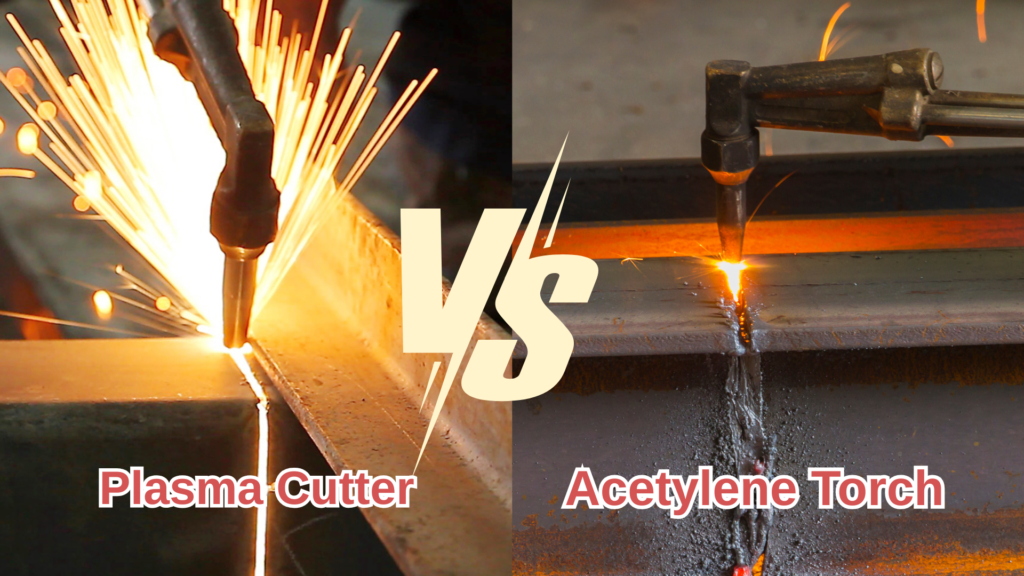
Curious about which metal cutting tool is best for your workshop or next project?
Whether you’re a fabricator, auto enthusiast, or DIYer, understanding the differences between plasma cutters and acetylene torches can help you make the right choice.
This guide breaks down how each tool works, their pros and cons, and the best uses for each.
Want to cut smarter and safer? Read on to find out which tool matches your needs!
What Is a Plasma Cutter and How Does It Work?
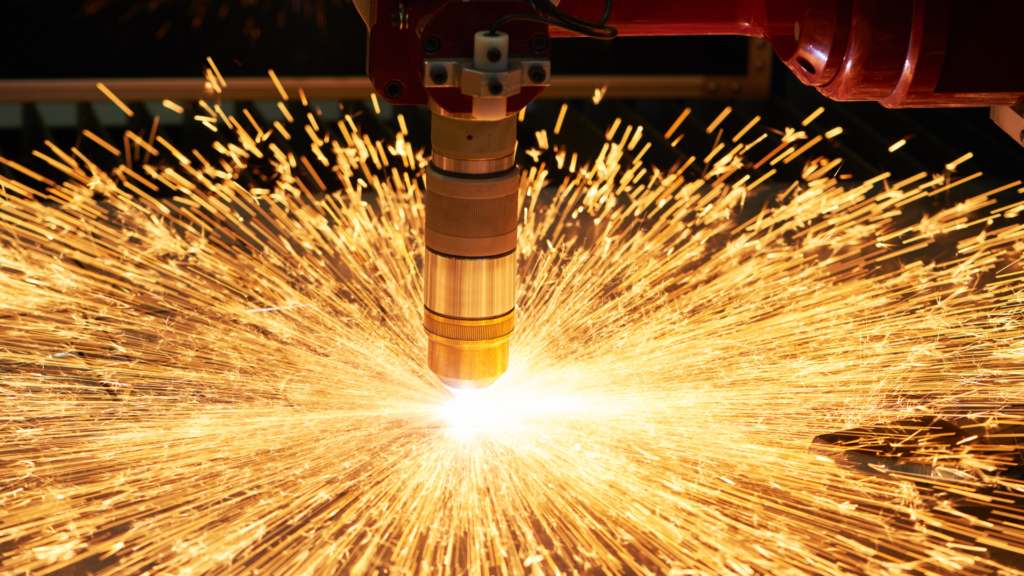
Plasma cutters are a popular choice for quick and clean cuts on various metals. Let’s look at how they work and what makes them unique.
How Plasma Cutters Work:
- Electric current passes through a small nozzle with compressed air.
- The air and electricity form a plasma arc (over 20,000°C).
- The arc melts the metal, and the air blows the molten metal away, making a clean cut.
Key Features:
- Cuts any electrically conductive metal (steel, stainless, aluminum, copper).
- Very precise and fast.
- Great for sheet metal, automotive work, and fabrication.
Plasma cutters can cut all conductive metals, including aluminum and stainless steel, making them the only effective option between these two tools for non-ferrous metals.
Plasma cutters are limited by amperage and machine design; hobby units typically max out at 1/2″–3/4″ thick, while industrial units can cut thicker but still not as thick as oxy-fuel torches.
What Is an Acetylene Torch (Oxy-Acetylene Torch) and How Does It Work?
Acetylene torches, also known as oxy-acetylene torches, are classic tools for heavy-duty metalwork. Here’s how they operate and where they shine.
How Oxy-Acetylene Torches Work:
- Mixes oxygen and acetylene gas in a torch handle.
- The flame heats the metal until it’s red hot.
- A blast of pure oxygen blows through, burning and blowing away the molten metal.
Key Features:
- Best for cutting thick steel and iron.
- Also used for welding, brazing, and heating.
- Does not require electricity.
Oxy-acetylene torches are best for cutting ferrous metals (steel, iron) because the process depends on iron oxidizing. They cannot effectively cut aluminum or stainless steel, as these metals do not oxidize in a way that supports the process.
Oxy-acetylene can cut up to several inches of steel (6–12″ or more with large tips), making them ideal for extremely thick sections.
Plasma Cutter vs Acetylene Torch: Key Differences
To choose the right tool, it’s important to compare their main features side by side. Here’s a table highlighting the key differences between plasma cutters and acetylene torches.
| Feature | Plasma Cutter | Acetylene Torch |
| Cutting Method | Electric plasma arc & air | Oxygen & acetylene flame |
| Materials Cut | All conductive metals | Steel and iron only |
| Cutting Speed | Fast, especially on thin metal | Slower, best for thick steel |
| Edge Quality | Smooth, clean, little slag | Rougher, more slag |
| Thickness Range | Thin to 1.5″ (depends on model) | Thin to several inches |
| Power Source | Electricity & compressed air | Oxygen & acetylene gas |
| Portability | Needs power & air | Needs gas cylinders |
| Other Uses | Cutting only | Welding, brazing, heating |
Pros and Cons of Plasma Cutters
Plasma cutters offer several benefits but also come with a few limitations. Here’s a quick overview of what to expect when using one.
Advantages:
- Cuts a wide variety of metals (steel, stainless, aluminum, copper)
- Fast and precise, especially on thin and medium-thick metal
- Leaves a clean, smooth edge with little cleanup
- Easy to automate with CNC machines
Disadvantages:
- Needs electricity and compressed air
- Higher upfront cost
- Not ideal for very thick steel
- Consumables (tips, electrodes) wear out and need replacement
Safety Considerations:
- Intense light and hot sparks, always wear eye and skin protection
- Electric shock risk if not handled properly
- Requires good ventilation
Pros and Cons of Acetylene Torches
Acetylene torches are reliable for heavy-duty jobs, but they also have their own advantages and drawbacks. Here’s what you need to know before using one.
Advantages:
- Cuts very thick steel easily
- No electricity required, works anywhere you can bring the tanks
- Also useful for welding, brazing, and heating metal for bending
Disadvantages:
- Only works on ferrous metals (steel, iron)
- Leaves a rougher, slaggy edge that may need grinding
- Slower on thin sheet metal
- Gas cylinders can be heavy and costly to refill
Safety Considerations:
- Acetylene is highly flammable and explosive, handle with care
- Oxygen increases fire risk, keep away from flammables
- Always use in a ventilated area and store tanks upright
Cost Comparison: Plasma Cutter vs Acetylene Torch
Cost is a major factor when choosing between these tools. Here’s how plasma cutters and acetylene torches compare in terms of purchase and operating expenses.
| Cost Type | Plasma Cutter | Acetylene Torch |
| Initial Purchase | Higher (machine + air supply) | Lower (torch + hoses) |
| Operating Expenses | Electricity & air | Gas refills (O2 & acetylene) |
| Consumables/Maintenance | Torch tips, electrodes | Cutting tips, hoses, checks |
Key Points:
- Plasma cutters cost more upfront, but running costs can be lower if you already have air and power
- Acetylene torches are cheaper to start, but gas refills add up over time
Common Applications: When to Use a Plasma Cutter or Acetylene Torch
Each tool excels in specific situations. Here are the most common applications for plasma cutters and acetylene torches.
Plasma Cutter Best For:
- Cutting thin to medium-thick sheet metal
- Stainless steel and aluminum
- Fabrication, auto body, and repair work
- CNC cutting and intricate shapes
Acetylene Torch Best For:
- Cutting thick steel beams, pipes, or plates
- Demolition and salvage
- Heating metal for bending or loosening bolts
- Outdoor jobs with no electricity
Cutting Quality: Plasma Cutter vs Acetylene Torch
Cutting quality can affect your final results and the amount of cleanup needed. Here’s how each tool performs in terms of edge finish and precision.
| Quality Factor | Plasma Cutter | Acetylene Torch |
| Edge Finish | Smooth, minimal cleanup | Rough, often needs grinding |
| Precision | High, detailed shapes | Lower, less control |
| Cleanup | Little to none | Often required |
Ease of Use: Plasma Cutter vs Acetylene Torch
Ease of use is important for both beginners and experienced users. Here’s what to expect when setting up and operating each tool.
Plasma Cutter:
- Simple setup, plug in, connect air, and cut
- Easy to use, even for beginners
- Portable models available, but require power and air
Acetylene Torch:
- Requires careful setup of gas pressures
- Needs experience to adjust flame and cut safely
- Gas tanks are heavy but portable to remote sites
Safety Tips for Plasma Cutters and Acetylene Torches
Safety should always be your top priority when cutting metal. Follow these essential tips to keep your workspace safe and prevent accidents.
- Always wear proper eye protection (welding helmet or safety glasses)
- Use gloves and flame-resistant clothing
- Work in a well-ventilated area
- Keep a fire extinguisher nearby
- Store gas cylinders upright and away from heat
- Never cut near flammable materials
Choosing the Right Tool: Plasma Cutter or Acetylene Torch?
Not sure which tool to pick? Consider these key factors to help you make the best choice for your projects.
Quick Guide:
| Need/Job Type | Best Choice |
| Thin/medium metal | Plasma Cutter |
| Thick steel | Acetylene Torch |
| Aluminum/stainless steel | Plasma Cutter |
| No electricity | Acetylene Torch |
| Welding/heating | Acetylene Torch |
Conclusion
Both plasma cutters and acetylene torches have unique strengths, making them valuable in different metalworking scenarios.
Frequently Asked Questions About Plasma Cutter vs Acetylene Torch
Is a plasma cutter better than a torch?
A plasma cutter is usually better for fast, clean, and precise cuts on thin to medium-thick metals, including aluminum and stainless steel. It is much easier to use for detailed work and produces a smoother edge with less cleanup required. However, acetylene torches are still preferred for cutting very thick steel or for use in locations where electricity is not available.
Why would someone use the torches over a plasma cutter?
People choose acetylene torches when they need to cut very thick steel or when working in environments without access to electricity or compressed air. Torches are also versatile tools that can be used for welding, brazing, and heating metal in addition to cutting. For demolition, heavy repair, or outdoor jobs, torches offer reliability and flexibility that plasma cutters can’t always match.
Is plasma cutting faster than oxy acetylene?
Yes, plasma cutting is generally much faster, especially when working with thin or medium-thick metals. The process produces a cleaner edge, reducing the need for secondary finishing work. This speed and efficiency make plasma cutters a popular choice in fabrication shops and for projects that require precision.
When should you not use a plasma cutter?
You should avoid using a plasma cutter when you need to cut very thick steel, as they are less effective and efficient for such tasks. Plasma cutters also aren’t suitable when you don’t have access to electricity or compressed air, or when working outdoors in harsh or remote locations. In these situations, an acetylene torch is often the better and more practical option.