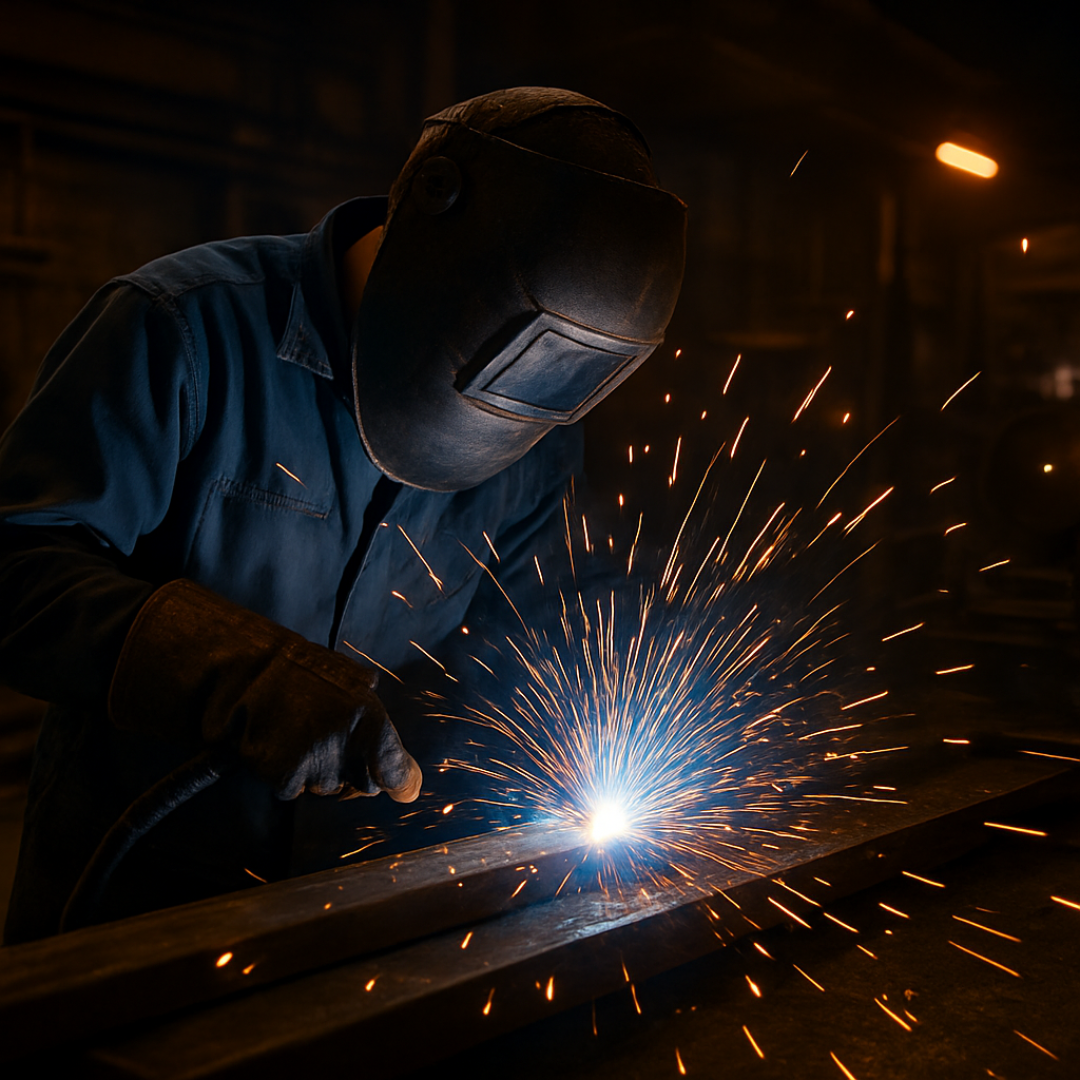
Welding safety tips are the essential rules and best practices that protect welders from electric shock, toxic fumes, burns, fires, and long-term health risks. Whether you’re working in a training lab, fabrication shop, or industrial site, following proper safety procedures is the foundation of a long, successful welding career.
Welding combines high heat, electricity, compressed gases, and metal fumes—all in one workspace. Without clear safety protocols, even a small oversight can lead to serious injury. The good news? Most welding accidents are preventable with the right knowledge, equipment, and awareness.
This guide walks you through the most important welding safety tips, major hazards to avoid, PPE requirements, and practical steps to maintain a safe working environment.
Why Welding Safety Should Never Be an Afterthought
Welding is skilled work—but it’s also high-risk work. The arc alone can reach temperatures of up to 10,000°F. Sparks can travel up to 35 feet. Metal fumes can affect your lungs and nervous system over time.
Safety isn’t optional in welding. It’s a professional standard.
A welder who understands safety:
- Analyzes surroundings before striking an arc
- Uses equipment exactly as intended
- Follows manufacturer guidelines
- Protects bystanders and nearby workers
- Inspects tools before every shift
In short, safety awareness is just as important as welding technique.
The 4 Main Welding Hazards You Must Control
Every welding environment presents hazards, but most risks fall into four primary categories.

1. Electric Shock
Electric shock is one of the most serious welding hazards. It can occur when a welder:
- Touches two metal objects with voltage between them
- Has damp gloves or clothing
- Works on wet floors
- Uses improperly grounded equipment
Even a non-fatal shock can cause falls, burns, or secondary injuries.
Prevention Tips:
- Inspect electrode holders for damage
- Keep gloves dry and insulated
- Ensure proper grounding
- Avoid direct contact with live metal parts
2. Exposure to Fumes and Gases
When metals are heated above their boiling point, they form fumes that condense into fine particles. Depending on the material used, fumes may contain:
- Manganese
- Aluminum
- Lead
- Beryllium
- Arsenic
Shielding gases and welding processes can also produce carbon monoxide, nitrogen oxides, and ozone.
Short-term effects may include metal fume fever (flu-like symptoms), while long-term exposure can cause respiratory illness or neurological damage.
Prevention Tips:
- Use local exhaust ventilation
- Position exhaust close to weld point
- Wear respirators when necessary
- Avoid confined spaces without proper air monitoring
3. Fire and Explosions
Sparks and molten metal can ignite flammable materials instantly. The arc itself isn’t usually the main cause of fire—spatter landing on combustible materials is.
Safe practice requires a minimum 35-foot clearance from flammable materials. If removal isn’t possible, protective barriers must be installed.
Prevention Tips:
- Remove flammable materials
- Keep fire extinguishers accessible
- Maintain a clear escape route
- Monitor hot work areas after completion
4. Physical Injuries
Welding injuries aren’t limited to burns. Common injuries include:
- Eye damage from UV radiation
- Cuts and lacerations
- Crushed fingers
- Back strain from poor posture
- Neck injuries from repetitive motion
These injuries can sideline a welder for weeks—or longer.
Prevention Tips:
- Wear complete PPE
- Maintain proper lifting techniques
- Avoid awkward welding positions
- Take breaks to prevent repetitive strain
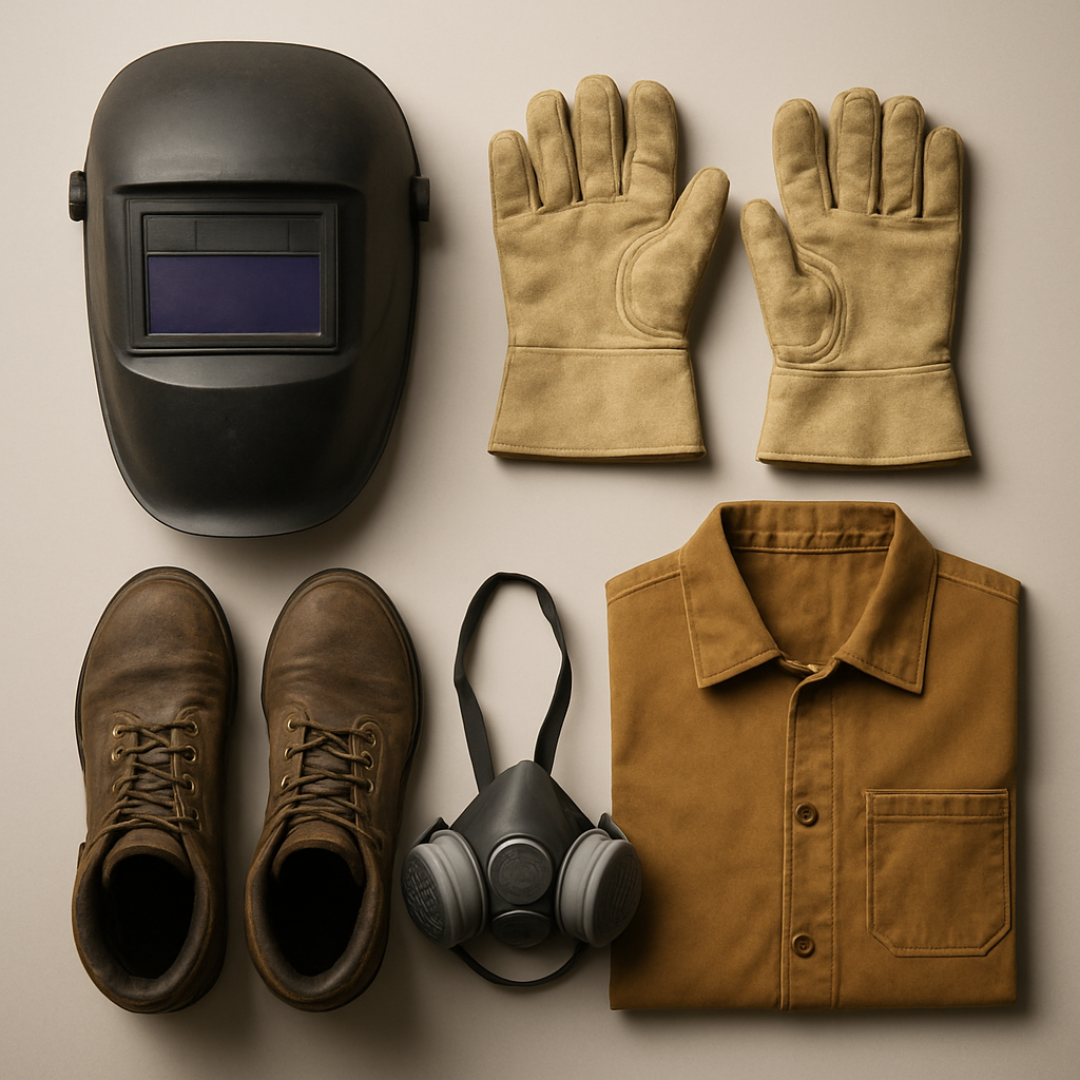
Essential PPE for Welding Safety
Personal Protective Equipment (PPE) is your last line of defense. Selecting the correct PPE is not optional—it’s mandatory for safe welding operations.

Welding PPE Checklist and Purpose
| PPE Item | Purpose | Key Feature to Look For |
| Welding Helmet | Protects eyes from UV/IR radiation | Auto-darkening filter |
| Safety Glasses | Impact protection under helmet | ANSI-rated lenses |
| Flame-Resistant Jacket | Protects torso from sparks | Non-synthetic material |
| Welding Gloves | Heat and spatter protection | Insulated, flame-resistant |
| Respirator | Protects from fumes and gases | Approved particulate filters |
| Ear Protection | Reduces noise exposure above 85 dB | Ear muffs or plugs |
| Leather Boots | Protects feet from sparks and crushing | Over-the-ankle coverage |
Important: Pant legs should go over boots—never tuck them in. Avoid cuffs that can trap sparks.
10 Core Welding Safety Tips Every Professional Should Follow
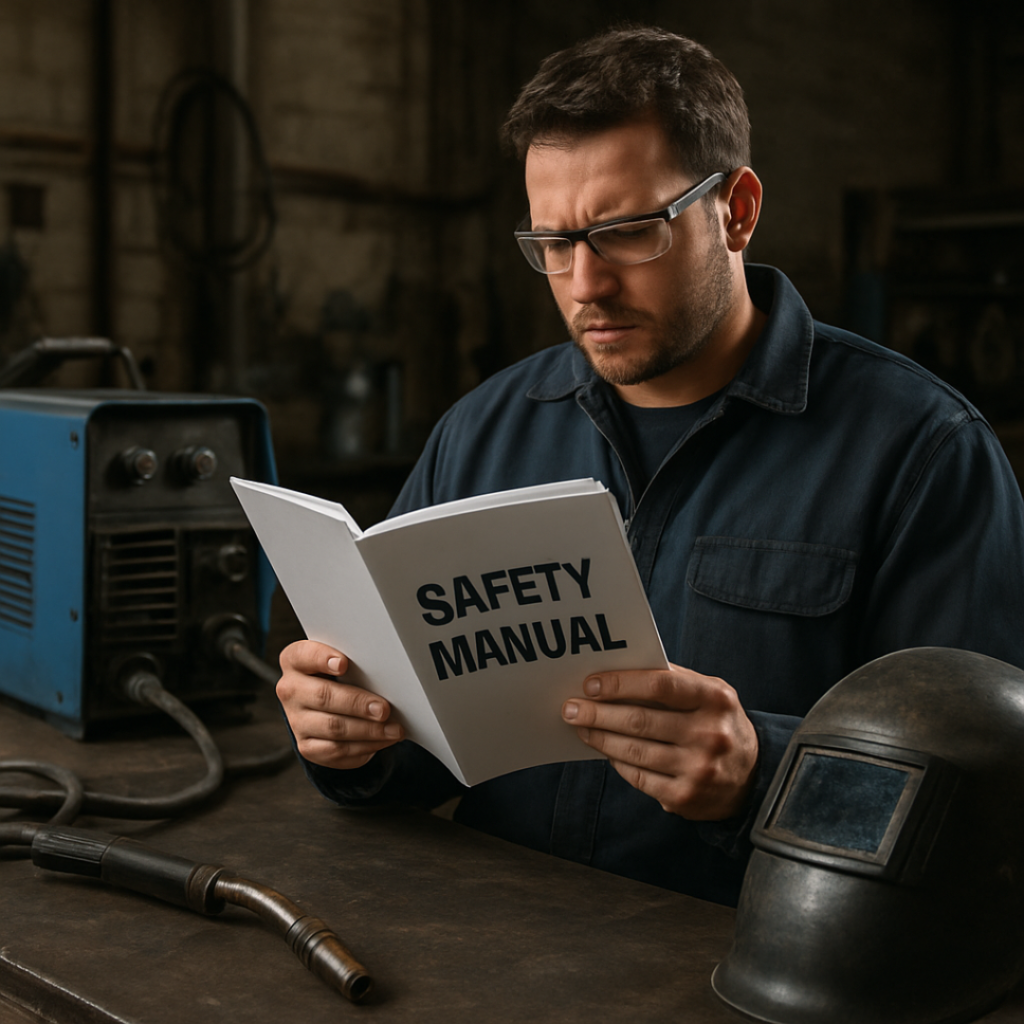
1. Study Safety Procedures Regularly
Safety standards evolve. New equipment requires updated knowledge. Review manufacturer manuals before operating unfamiliar equipment.
2. Conduct a Risk Assessment Before Every Job
Before welding begins:
- Identify nearby flammable materials
- Evaluate ventilation conditions
- Inspect confined spaces
- Check for trip hazards
No welding should begin without a safety review.
3. Maintain Equipment Properly
Frayed cables, leaking hoses, and poor grounding increase accident risk.
Inspect daily:
- Cables
- Electrode holders
- Gas connections
- Regulators
If something looks worn—replace it.
4. Ensure Proper Ventilation
Local exhaust systems should be positioned no more than 1.5 times the duct diameter from the weld point to effectively capture fumes.
General ventilation alone may not be sufficient for high-fume processes.
5. Keep Workspaces Organized
Clutter increases fire risk and creates trip hazards.
Your welding area should contain:
- Only necessary tools
- Clear walkways
- Accessible fire equipment
6. Protect Bystanders
Use welding curtains and post warning signs. Inform nearby workers before beginning hot work.
After finishing, mark hot metal clearly.
7. Maintain Insulation from Ground
Always ensure:
- Dry gloves
- Dry footwear
- Insulated contact surfaces
Electric shock prevention starts with insulation.
8. Dress Properly for the Job
Avoid synthetic materials—they melt under high heat. Wear natural flame-resistant fibers like treated cotton or wool.
Loose clothing and rolled sleeves increase risk.
9. Prevent Ergonomic Injuries
Welding often involves repetitive motions and awkward angles.
Reduce strain by:
- Adjusting work height
- Using positioning tools
- Taking stretching breaks
- Using mechanical lifts when needed
10. Keep Learning
Technology changes. Safety standards evolve. The most effective welders continue training and stay updated with recognized safety organizations and manufacturer guidelines.
Welding Processes and Their Unique Safety Concerns
Different welding methods present different exposure risks.
Welding Process Safety Comparison
| Process | Primary Hazard | Ventilation Need | Electric Shock Risk |
| SMAW (Stick) | High fume production | Moderate to High | Moderate |
| GMAW (MIG) | Shielding gas exposure | Moderate | Moderate |
| GTAW (TIG) | UV radiation | Low to Moderate | High (precision contact) |
| Oxyacetylene | Fire & explosion risk | Moderate | Low |
Understanding your process helps you apply the correct protective measures.
Safe Work Practices That Make a Difference
Beyond PPE and equipment checks, daily habits determine safety outcomes.
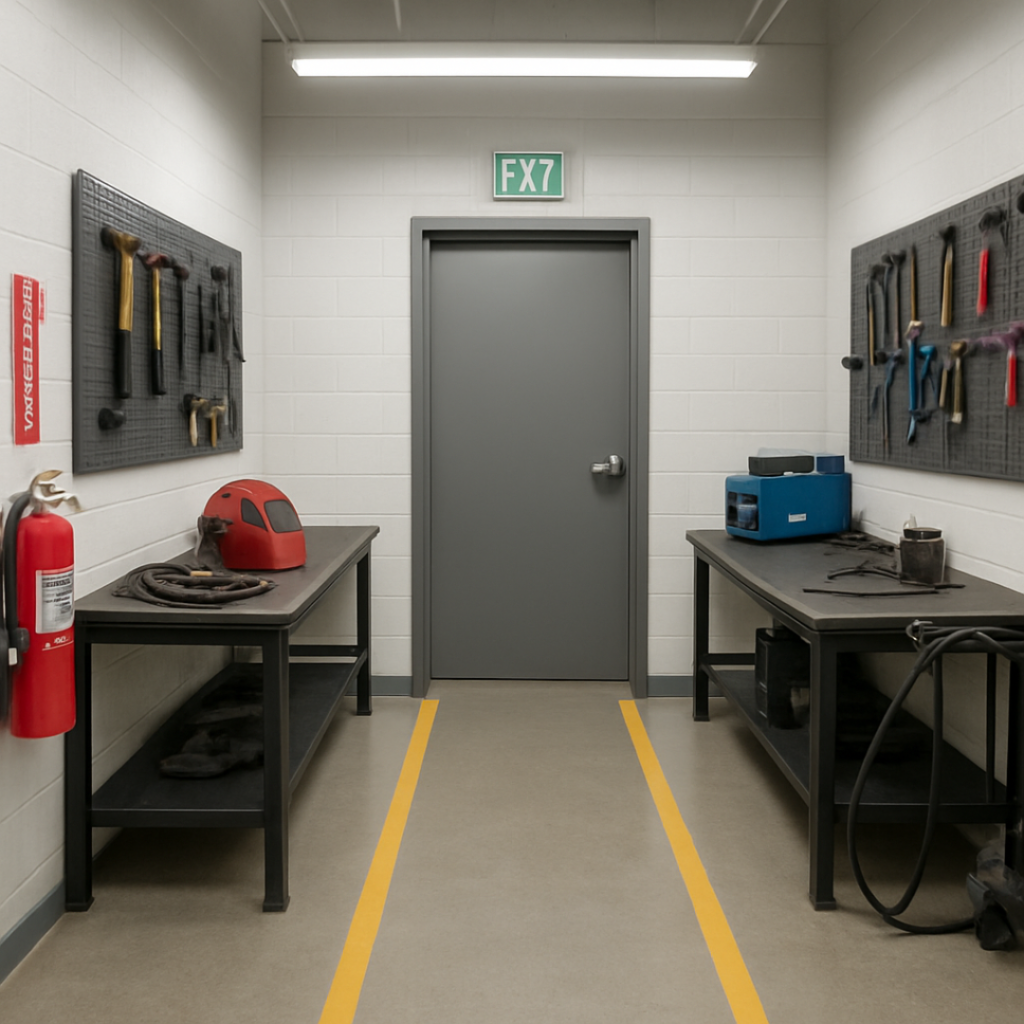
- Maintain clear emergency exits
- Know fire extinguisher locations
- Store compressed gases properly
- Never use compressed air for cleaning dust
- Avoid adapters on gas regulators
- Ensure proper cylinder handling and storage
Welding safety is both technical and behavioral.
Building a Culture of Welding Safety
Safety isn’t just an individual responsibility—it’s a shared one.
If you see a safety violation:
- Report it
- Correct it
- Address it immediately
Encourage accountability within the shop. When safety becomes part of workplace culture, accidents decrease significantly.
A safe welder protects not only themselves but everyone in the environment.
Additional Resources for Ongoing Welding Safety
For continuous learning, consult recognized industry authorities and manufacturer safety documentation. Safety standards are updated regularly, and staying informed ensures compliance and protection.
Reliable sources typically include:
- Occupational safety agencies
- National standards organizations
- Professional welding associations
- Equipment manufacturers
FAQs
1. What are the basic welding safety practices?
Basic welding safety practices include wearing proper PPE, ensuring adequate ventilation, inspecting equipment before use, maintaining a clutter-free workspace, and keeping flammable materials at least 35 feet away.
2. What is PPE for welding?
PPE for welding includes a welding helmet, safety glasses, flame-resistant clothing, gloves, leather boots, ear protection, and respiratory protection when required.
3. What are 5 key responsibilities for a welder?
A welder’s key responsibilities include maintaining equipment, following safety procedures, protecting bystanders, inspecting the work area, and staying updated on safety standards.
4. What are the 4 main hazards?
The four main welding hazards are electric shock, exposure to fumes and gases, fire and explosions, and physical injuries such as burns and eye damage.
5. What is level 4 in safety?
Level 4 in safety generally refers to a high-risk hazard classification requiring maximum protective controls, advanced PPE, and strict procedural compliance to prevent severe injury.
Safety Is the Mark of a Professional
Mastering welding techniques takes practice—but mastering welding safety requires discipline.
The most respected welders aren’t just skilled with an arc—they are meticulous about procedures, protective equipment, and workplace awareness. By following these welding safety tips consistently, you reduce risk, protect your health, and build a career that lasts.
Safety is not a rulebook to glance at once. It’s a daily habit that defines true craftsmanship.